
Botox training for non medical
Updated: Feb 8
The global aesthetic industry has expanded rapidly over the last decade, driven by increasing demand for non-surgical cosmetic treatments. Among these procedures, botulinum toxin injections remain one of the most popular choices worldwide. As the market grows, many individuals without a medical background are seeking professional education to enter this field safely and ethically. Botox training for non medical professionals has therefore become a highly sought-after pathway for those aiming to build a sustainable career in aesthetics while maintaining safety and compliance standards.

BOTOX TRAINING FOR NON MEDICAL PROFESSIONALS
Botox training for non medical professionals is specifically designed to equip learners without formal medical degrees with essential knowledge, practical skills, and ethical awareness. These programs focus on creating a strong foundation in facial anatomy, injection theory, and patient safety. By following a structured curriculum, non-medical learners gain confidence and competence under professional supervision.
Understanding botox and its aesthetic applications
Botulinum toxin works by temporarily blocking nerve signals to targeted muscles, reducing muscle activity and softening dynamic wrinkles. Common treatment areas include the forehead, glabellar lines, and crow’s feet. A professional training course ensures that non-medical practitioners understand both the cosmetic benefits and the biological mechanisms behind Botox.
Differences between medical and non medical training pathways
Medical professionals often receive Botox training as an extension of their clinical education, while non-medical learners require a more comprehensive introduction to anatomy and safety principles. Botox training for non medical courses bridge this gap by offering detailed theoretical instruction combined with supervised practice.
Core curriculum of professional training programs
A well-structured course includes anatomy, facial muscle mapping, dosage principles, injection techniques, contraindications, and post-treatment care. These components help learners understand not only how to inject, but also why each step is necessary for safe outcomes.
The importance of hands-on training
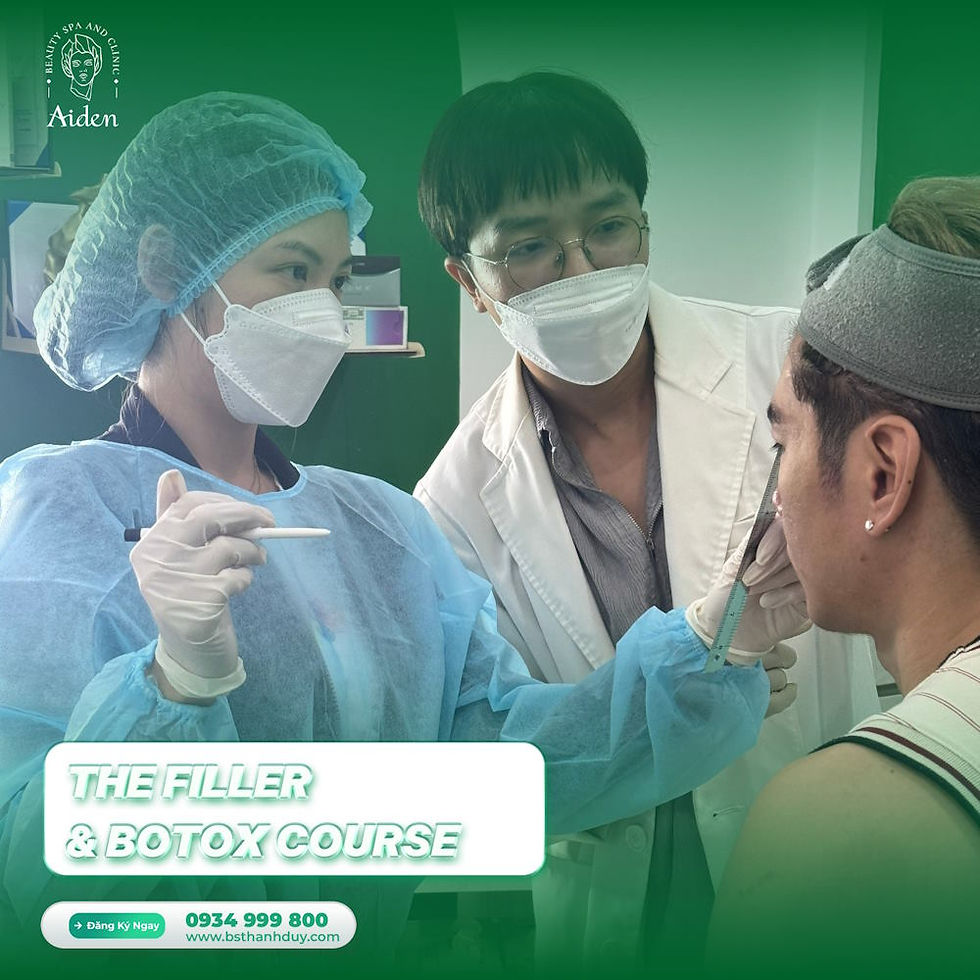
Hands-on experience is a critical element of Botox education. Practicing on live models under expert supervision allows non-medical trainees to understand facial dynamics, injection depth, and patient interaction in real clinical settings.
Developing confidence through guided practice
Confidence in aesthetic practice comes from repetition and expert feedback. Professional courses ensure that students perform procedures in controlled environments, reducing risk while reinforcing correct technique.
Ethical responsibilities in aesthetic treatments
Ethical practice is a core principle of Botox training for non medical professionals. Students learn to prioritize patient safety, manage expectations, and refuse treatment when necessary.
LEGAL, SAFETY, AND CAREER CONSIDERATIONS FOR NON MEDICAL PRACTITIONERS
Understanding legal frameworks is essential before performing or assisting in Botox treatments. Regulations vary widely between countries and regions, making it crucial for non-medical professionals to be informed and compliant.
Legal regulations across different regions
In some countries, non-medical practitioners may perform injections under physician supervision. In others, they may focus on consultation, preparation, or post-treatment care. High-quality training programs address these legal differences clearly and responsibly.
Safety standards and risk management
Botox is a prescription-based injectable product that requires careful handling. Professional training emphasizes aseptic technique, correct dosage, and recognition of adverse reactions to ensure patient safety.
Managing complications and adverse effects
Even well-performed treatments may involve risks such as bruising, asymmetry, or temporary muscle weakness. Botox training for non medical professionals includes instruction on identifying early signs of complications and responding appropriately.
Building trust and credibility with clients
Clients increasingly seek practitioners who demonstrate formal education and ethical standards. Certification from a recognized training institution enhances credibility and reassures clients about safety and professionalism.
Career pathways after botox training
Graduates may pursue careers in aesthetic clinics, medical spas, or beauty clinics, depending on local regulations. Some focus on consultation roles, while others work closely with licensed physicians to deliver treatments.
Long-term career sustainability
Success in aesthetics requires continuous learning, ethical practice, and adaptability. Non-medical professionals who invest in high-quality education position themselves for long-term growth.

WHY AIDEN BEAUTY SPA & CLINIC IS A LEADING TRAINING DESTINATION
Choosing the right training provider is one of the most important decisions for aspiring aesthetic professionals. Aiden Beauty Spa & Clinic, led by Dr. Thanh Duy, has become a respected name in aesthetic education and clinical practice.
Professional leadership and medical expertise
Under the guidance of Dr. Thanh Duy, Aiden Beauty Spa & Clinic delivers training programs that align with international aesthetic standards. Medical oversight ensures that safety and clinical accuracy remain top priorities.
Comprehensive and structured curriculum
The training curriculum integrates theory, anatomy, live demonstrations, and supervised practice. This approach ensures that learners gain both knowledge and real-world skills.
International student community and global perspective
Aiden Beauty Spa & Clinic attracts students from both domestic and international markets. Exposure to diverse learning environments helps students understand global aesthetic trends and standards.
Emphasis on ethical and safe practice
The clinic places strong emphasis on ethical decision-making, patient consultation, and realistic treatment outcomes. This philosophy supports sustainable and responsible careers.
Practical training with real models
Hands-on sessions using real models allow students to apply techniques under expert supervision. This practical exposure builds confidence and technical accuracy.
Continued support and advanced education
Graduates are encouraged to pursue further education in fillers, facial contouring, and combination treatments. Continuous learning is a key element of professional success in aesthetics.
Botox training for non medical professionals offers a structured and responsible pathway into the rapidly growing aesthetic industry. With the right education, ethical guidance, and professional mentorship, non-medical learners can develop the skills needed to support safe and effective treatments. Institutions such as Aiden Beauty Spa & Clinic, under the leadership of Dr. Thanh Duy, continue to set high standards in training quality, helping students build credible and sustainable careers in modern aesthetics.


Comments