
Picosecond Laser Treatment for Melasma
Picosecond Laser treatment for melasma is an advanced aesthetic approach that uses ultra-short laser pulses to target unwanted pigmentation and improve the appearance of uneven skin tone. At Aiden Beauty Spa & Clinic, Picosecond laser technology is incorporated into personalized pigmentation treatment plans, guided by dermatologist-led protocols and individual skin assessments. This approach aims to address melasma while prioritizing skin safety, treatment suitability, and long-term skin health.
Melasma is a common pigmentation concern that can be difficult to manage. Brown or gray-brown patches frequently appear on the cheeks, forehead, nose, and upper lip, often becoming more noticeable after sun exposure or hormonal changes. Although various treatments are available, selecting the right technology and treatment strategy is essential to achieving meaningful improvements without unnecessarily irritating the skin.
Understanding how Picosecond laser technology works, who may benefit from it, and how to care for the skin after treatment can help individuals make informed decisions about their pigmentation management journey.

WHAT IS PICOSCOND LASER TREATMENT FOR MELASMA?
Picosecond laser treatment is a modern laser technology designed to deliver energy in extremely short pulses, measured in picoseconds. One picosecond equals one trillionth of a second. These ultra-short pulses create a photoacoustic effect that can break pigment particles into smaller fragments while limiting the time available for heat to spread into surrounding tissues.
In selected cases, Picosecond laser technology may be used to reduce the visible appearance of pigmentation, including certain forms of melasma. Its suitability depends on the pigmentation pattern, skin type, laser wavelength, energy settings, and the individual's medical and treatment history.
How Picosecond Laser Technology Works
Unlike conventional lasers that may rely more heavily on thermal effects, picosecond systems are designed to deliver energy in exceptionally brief pulses. This allows the laser to interact with targeted pigment through a photoacoustic mechanism.
The process generally involves several steps:
Targeting pigment: The laser emits light at a selected wavelength that interacts with melanin and other targeted pigment structures.
Delivering ultra-short pulses: The energy is delivered in picoseconds, producing a rapid photoacoustic effect.
Fragmenting pigment particles: Under appropriate settings, the laser can break pigment into smaller fragments.
Natural pigment clearance: The body gradually processes and clears the fragmented pigment through its natural mechanisms.
Gradual visible improvement: Depending on the condition and treatment response, pigmentation may become less noticeable over time.
The results are not immediate or identical for everyone. Melasma involves complex biological processes that extend beyond the presence of visible pigment, which is why laser treatment alone may not provide lasting control.
What Makes Picosecond Laser Different?
Picosecond lasers are distinguished by their extremely short pulse duration. This characteristic may offer certain advantages in pigment targeting, depending on the device and clinical application.
Potential features include:
Ultra-short pulse delivery.
Photoacoustic pigment fragmentation.
Different wavelength options for specific treatment indications.
The ability to target selected pigment structures with carefully adjusted parameters.
Potential integration into individualized pigmentation treatment plans.
However, shorter pulse duration does not automatically mean better outcomes or fewer side effects for every patient. Clinical results depend on the device, operator, treatment settings, skin characteristics, and the type of pigmentation being treated.

WHY CHOOSE PICOSCOND LASER FOR MELASMA MANAGEMENT?
Melasma is more complex than ordinary sunspots or isolated pigmentation marks. It may involve both superficial and deeper pigment, increased melanocyte activity, vascular changes, and interactions between the skin and environmental factors.
Picosecond laser technology offers an additional treatment option for selected patients, particularly when a professional assessment indicates that laser-based pigment targeting may be appropriate.
Potential Benefits of Picosecond Laser Treatment
When used for suitable indications and with appropriate settings, Picosecond laser treatment may offer several potential benefits:
Targeted pigment treatment: Selected laser wavelengths can interact with pigment structures in the skin.
Gradual improvement in skin tone: Treatment may help reduce the appearance of certain pigmentation patterns.
Ultra-short energy delivery: Picosecond pulses create a photoacoustic effect that can be useful for pigment fragmentation.
Customizable treatment parameters: Different devices and settings allow treatment approaches to be adapted to individual skin characteristics.
Combination treatment possibilities: In selected cases, laser procedures may complement topical therapies and other dermatologist-recommended treatments.
It is important to understand that melasma can be particularly sensitive to laser procedures. Some individuals experience little improvement, while others may develop rebound pigmentation or post-inflammatory hyperpigmentation. Careful patient selection is therefore essential.
Who May Be Suitable for Picosecond Laser Treatment?
Picosecond laser treatment may be considered for individuals with selected pigmentation concerns after professional assessment.
A dermatologist may evaluate the following factors:
The appearance, distribution, and depth of pigmentation.
Skin phototype and sensitivity.
Previous responses to topical treatments or laser procedures.
The presence of irritation, inflammation, or other skin conditions.
The likelihood of post-inflammatory hyperpigmentation.
Personal treatment goals and expectations.
Not everyone with melasma is an ideal candidate for laser treatment. For some individuals, topical therapies and consistent photoprotection may be recommended before considering laser procedures.
PICOSCOND LASER TREATMENT FOR MELASMA AT AIDEN BEAUTY SPA & CLINIC
At Aiden Beauty Spa & Clinic, Picosecond laser technology is part of the clinic's approach to modern pigmentation management. The clinic emphasizes dermatologist-led treatment protocols, professional skin assessment, and individualized care to help clients explore suitable options for melasma.
Rather than applying the same procedure to every client, the treatment strategy considers the unique characteristics of each person's skin.
Dermatologist-Led Skin Assessment
A professional skin assessment is an important first step before undergoing Picosecond laser treatment.
During the consultation, the dermatologist may examine the pigmentation pattern, assess the skin's sensitivity, and review previous treatments. This process helps distinguish melasma from other pigmentation conditions that may require different treatment approaches.
The assessment may include:
Reviewing the history and progression of pigmentation.
Identifying potential triggers such as sun exposure and hormonal changes.
Evaluating the skin's condition and barrier function.
Discussing previous skincare products and cosmetic procedures.
Determining whether Picosecond laser treatment is appropriate.
Establishing realistic expectations and a follow-up plan.
This individualized approach is particularly relevant for melasma because aggressive or unsuitable treatment may worsen pigmentation rather than improve it.
Customized Picosecond Laser Treatment Protocol
Once the skin has been assessed, a suitable treatment strategy can be developed according to the individual's needs.
Depending on the diagnosis and treatment goals, the protocol may involve:
1. Skin Preparation
The skin may need to be stabilized before laser treatment. A dermatologist may recommend gentle skincare, sun protection, and suitable topical products to minimize irritation and prepare the skin.
2. Laser Technology and Parameter Selection
The treating professional selects the appropriate laser wavelength, energy level, pulse settings, and treatment approach based on the pigmentation pattern, skin phototype, and the device being used.
3. Professional Laser Procedure
The treatment area is cleansed, and appropriate protective eyewear is provided. The laser procedure is performed using settings selected for the individual's skin condition and clinical indication.
4. Post-Treatment Skin Care
After treatment, clients receive instructions on gentle cleansing, moisturizing, sun protection, and temporarily avoiding irritating skincare ingredients when necessary.
5. Follow-Up and Treatment Adjustment
The skin's response is monitored over time. Additional sessions or alternative treatments are considered according to the results, recovery, and risk of adverse pigmentation changes.
The number of sessions and treatment intervals vary. A dermatologist should determine the schedule rather than relying on a fixed treatment package for every case.
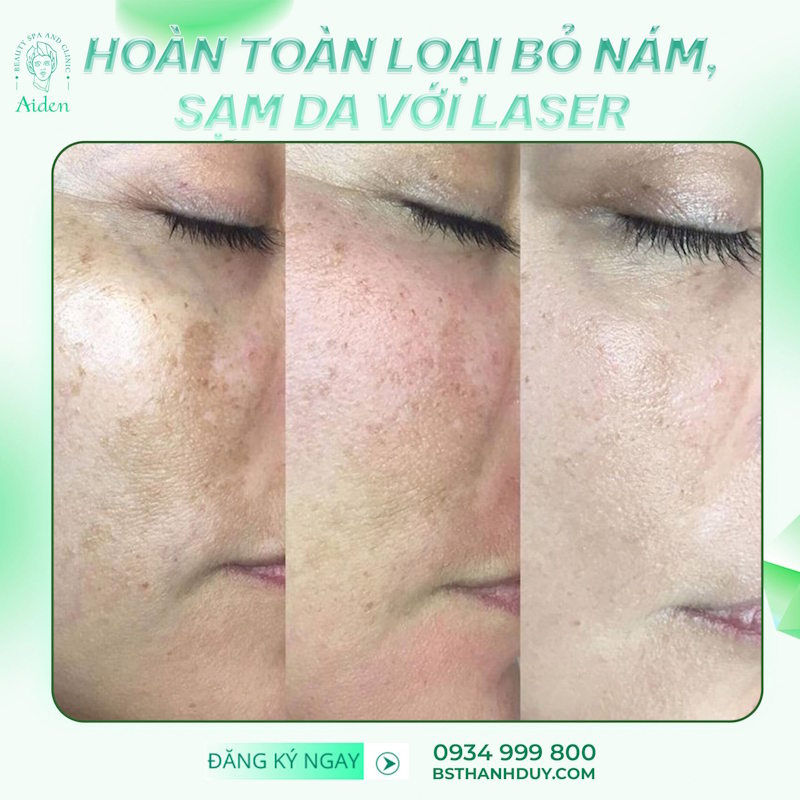
WHAT TO EXPECT BEFORE AND AFTER PICOSCOND LASER TREATMENT
Understanding the treatment process can help clients feel more prepared and follow the appropriate precautions.
Before Your Picosecond Laser Session
Preparation helps minimize avoidable irritation and supports a safer procedure.
Before your appointment, consider the following recommendations:
Avoid excessive sun exposure and tanning.
Apply broad-spectrum sunscreen regularly.
Inform the dermatologist about medications and active skincare products.
Disclose any history of sensitive skin, pigmentation changes, or previous laser complications.
Avoid aggressive exfoliation and irritating cosmetic treatments unless approved by the treating professional.
Follow the clinic's specific preparation instructions.
If you have an active skin infection, significant irritation, or recent sunburn, your procedure may need to be postponed.
During the Laser Procedure
The treatment experience varies according to the laser device, settings, and treatment area.
Clients may experience a brief snapping sensation, warmth, or mild discomfort during the procedure. Protective eyewear is essential throughout treatment to reduce the risk of eye injury.
Treatment duration depends on the size of the area being treated and the selected laser protocol.
After the Treatment
Temporary redness, warmth, mild swelling, or sensitivity may occur after a laser session. The intensity and duration of these effects depend on the treatment settings and individual skin response.
Following professional aftercare instructions is essential. Avoid picking, rubbing, or aggressively exfoliating the treated skin. Contact the treating clinic if you experience unexpected pain, blistering, significant swelling, or worsening pigmentation.
POST-TREATMENT CARE: PROTECTING YOUR SKIN AND MAINTAINING RESULTS
Laser treatment is only one part of a comprehensive melasma management plan. Consistent aftercare and long-term prevention are particularly important because melasma can return even after visible improvement.
Daily Sun Protection
Sun exposure is a major factor in melasma recurrence and worsening pigmentation.
To help protect the skin:
Use broad-spectrum sunscreen with SPF 30 or higher every day.
Reapply sunscreen as directed, particularly when outdoors.
Wear a wide-brimmed hat and seek shade during periods of strong sunlight.
Consider tinted sunscreen containing iron oxides for additional protection against visible light.
Avoid intentional tanning and excessive direct sun exposure.
Consistent sun protection helps reduce the environmental triggers that can stimulate pigment production.
Gentle Skincare and Skin Barrier Support
Following laser treatment, a gentle skincare routine can help maintain skin comfort and support recovery.
Depending on the procedure and the skin's condition, the dermatologist may recommend:
Mild, non-irritating cleansers.
Moisturizers that support skin barrier function.
Appropriate topical pigmentation treatments.
Temporary avoidance of strong exfoliants and irritating active ingredients.
Gradual reintroduction of active skincare products when the skin has recovered.
Using multiple aggressive products immediately after treatment can increase irritation and may contribute to unwanted pigmentation changes.
Long-Term Melasma Management
Melasma is a chronic condition that may require ongoing management. Even when pigmentation becomes less visible, underlying triggers can remain active.
A long-term plan may combine sun protection, maintenance skincare, topical treatments, and periodic professional assessments. Laser procedures should be repeated only when the treating dermatologist considers them appropriate.

PICOSCOND LASER VS. OTHER LASER TECHNOLOGIES FOR MELASMA
Different laser technologies interact with pigment in different ways. Understanding these differences can help explain why treatment selection needs to be individualized.
Picosecond Laser
Picosecond lasers deliver ultra-short pulses that produce a photoacoustic effect. They may be considered for selected pigment conditions, although the evidence for melasma remains variable and recurrence is possible.
Q-Switched Laser
Q-switched lasers deliver high-energy pulses over nanosecond durations. Certain Q-switched systems have been used for pigmentation treatment, including selected melasma cases. However, repeated treatments may carry risks such as rebound pigmentation and mottled hypopigmentation.
Fractional Laser
Fractional laser systems create microscopic treatment zones within the skin. Certain fractional technologies may be incorporated into combination protocols for selected patients, but treatment can cause inflammation and post-inflammatory hyperpigmentation in susceptible individuals.
Choosing the Appropriate Technology
No single laser is universally suitable for all melasma cases. The most appropriate approach depends on the diagnosis, skin phototype, pigmentation depth, treatment history, and tolerance for potential side effects.
A dermatologist can explain the benefits, limitations, and risks of available options before recommending a procedure.
FREQUENTLY ASKED QUESTIONS ABOUT PICOSCOND LASER TREATMENT FOR MELASMA
Is Picosecond Laser Effective for Melasma?
Picosecond laser treatment may improve the appearance of melasma in selected individuals. However, results vary, and current clinical evidence does not establish it as a guaranteed or universally superior treatment. Professional assessment and appropriate treatment selection are essential.
How Many Picosecond Laser Sessions Are Needed?
The number of sessions depends on the severity and characteristics of the pigmentation, the laser system, and the individual's response. Some people may require several sessions, while others may benefit from a different treatment strategy. The dermatologist determines the appropriate schedule.
Is Picosecond Laser Treatment Painful?
Most individuals describe the sensation as brief snapping, warmth, or mild discomfort. The experience varies according to the device, energy settings, treatment area, and personal sensitivity. Your treating professional can explain the expected sensations before the procedure.
Can Picosecond Laser Completely Remove Melasma?
Complete and permanent removal cannot be guaranteed. Melasma is a recurrent pigmentation condition influenced by several biological and environmental factors. Laser treatment may help reduce visible pigmentation, but ongoing maintenance and sun protection remain important.
Is Picosecond Laser Suitable for Sensitive Skin?
Suitability depends on the individual's skin condition, sensitivity, and pigmentation characteristics. Sensitive skin may require additional preparation or an alternative treatment approach. A professional evaluation is necessary before proceeding.
When Can I See Results After Picosecond Laser Treatment?
Visible changes may develop gradually over several weeks, depending on the treatment and individual skin response. Some individuals experience limited improvement or temporary worsening of pigmentation. Follow-up assessments help determine whether the treatment is producing the intended results.

EXPERIENCE PERSONALIZED PICOSCOND LASER CARE AT AIDEN BEAUTY SPA & CLINIC
Managing melasma requires a thoughtful approach that combines appropriate technology, professional expertise, and consistent skin care. Picosecond laser technology offers an additional option for selected pigmentation concerns, but the most suitable treatment is always determined by the individual's skin condition and clinical needs.
At Aiden Beauty Spa & Clinic, Picosecond laser treatment for melasma is incorporated into a personalized approach supported by dermatologist-led protocols. From the initial skin assessment to treatment planning and post-procedure care, the focus is on selecting appropriate procedures while prioritizing skin safety and realistic expectations.
If you are concerned about persistent pigmentation, uneven skin tone, or recurring melasma, a professional consultation can help you understand your options and identify a suitable treatment strategy.


Comments